


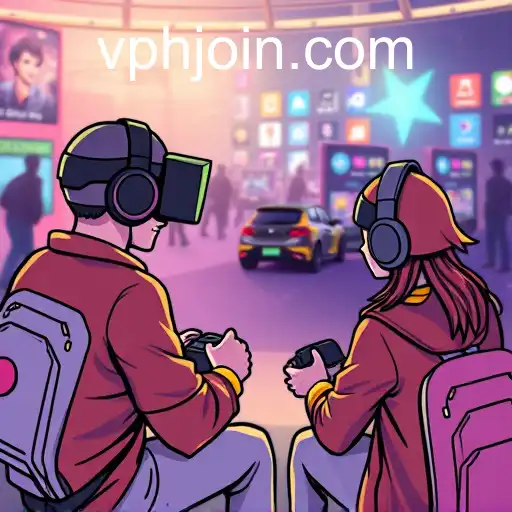
In the ever-evolving world of digital entertainment, online gaming communities have carved out an indispensable niche. As we step into 2026, these communities continue to expand both in scope and influence, with platforms like 'phjoin' leading the charge in revolutionizing how players connect and collaborate.
The landscape of online gaming has undergone significant transformations, driven by advancements in technology and a growing demographic of tech-savvy individuals. Platforms such as 'phjoin' have become central hubs where gamers unite not just to play but to share experiences, strategies, and create digital personas. Such sites emphasize camaraderie and team play, bridging geographical divides and cultural differences.
Alongside these platforms, a host of supporting technologies have emerged. Virtual reality (VR) and augmented reality (AR) are now staple experiences for gamers, providing immersive environments that were previously the stuff of science fiction. This technological leap has been pivotal, drawing millions into these digital worlds and fostering a sense of belonging in online communities worldwide.
However, the evolution of these communities also brings challenges. Issues concerning online etiquette, cyberbullying, and data privacy remain perennial discussions among developers and players alike. Organizations and platforms like 'phjoin' are actively working to create safer environments, implementing stringent community guidelines and advanced moderation tools.
The influence of online communities in gaming can't be understated when considering their economic impact. These platforms have spawned a new breed of career opportunities through e-sports, livestreaming, and content creation. Game developers are increasingly utilizing feedback loops from these communities to improve their products, reinforcing a dynamic, player-driven development ecosystem.
As we navigate further into the digital age, the role of gaming platforms like 'phjoin' will only grow more prominent. They serve not only as spaces for entertainment but also as arenas for social interaction, innovation, and digital expression. The ensuing years will undoubtedly see these communities influencing varied aspects of both gaming culture and the broader digital economy.